
Mike Bain
New Zealand is a first-class country run by second-rate people.
Harsh? Perhaps. Wrong? Take a look around.
After weeks of election promises, slogans and carefully scripted announcements, one question remains. Why should we believe any of them can fix what is broken?
We have heard a lot in this election about money, or the lack and an economy that was mismanaged by the previous administration.
But if money is the answer, then explain how the health system after the biggest injection of capital is still in disarray.
We have seen millions poured into abuse programmes, domestic, drug, and bullying, but it continues.
We have poured millions while taking away parental responsibility into feeding school lunches and yet we still see hunger.
Millions of taxpayer dollars poured into housing and social issues and yet we still have homelessness, personal hardship etc
At local government level, voters are routinely asked to hand control of multi-million-dollar assets and budgets to candidates they know almost nothing about.
Yet that’s often the level of scrutiny voters receive.
Election profiles are often little more than a few hundred words explaining who they are, how many children or grandchildren they have, what community organisations they’ve belonged to, and why they care about the district.
Some are successful business people. Some bring valuable skills and experience. But many have never managed large budgets, complex organisations, major infrastructure projects, or hundreds of staff.
Yet we entrust them with decisions involving hundreds of millions of dollars and then act surprised when costs blow out, projects stall, and rates continue to rise.
The selection process would be laughable if the consequences weren’t so serious.
Nobody would get handed the CEO role at Fonterra, Spark, Air New Zealand, or even a medium-sized business after submitting a 300-word biography saying they’re married, have three children, enjoy gardening, belong to the local Lions Club, and care deeply about the community.
To help govern a district worth hundreds of millions of dollars, all that’s often required is a nomination form, a smiling photo, and 300 words about your community involvement.
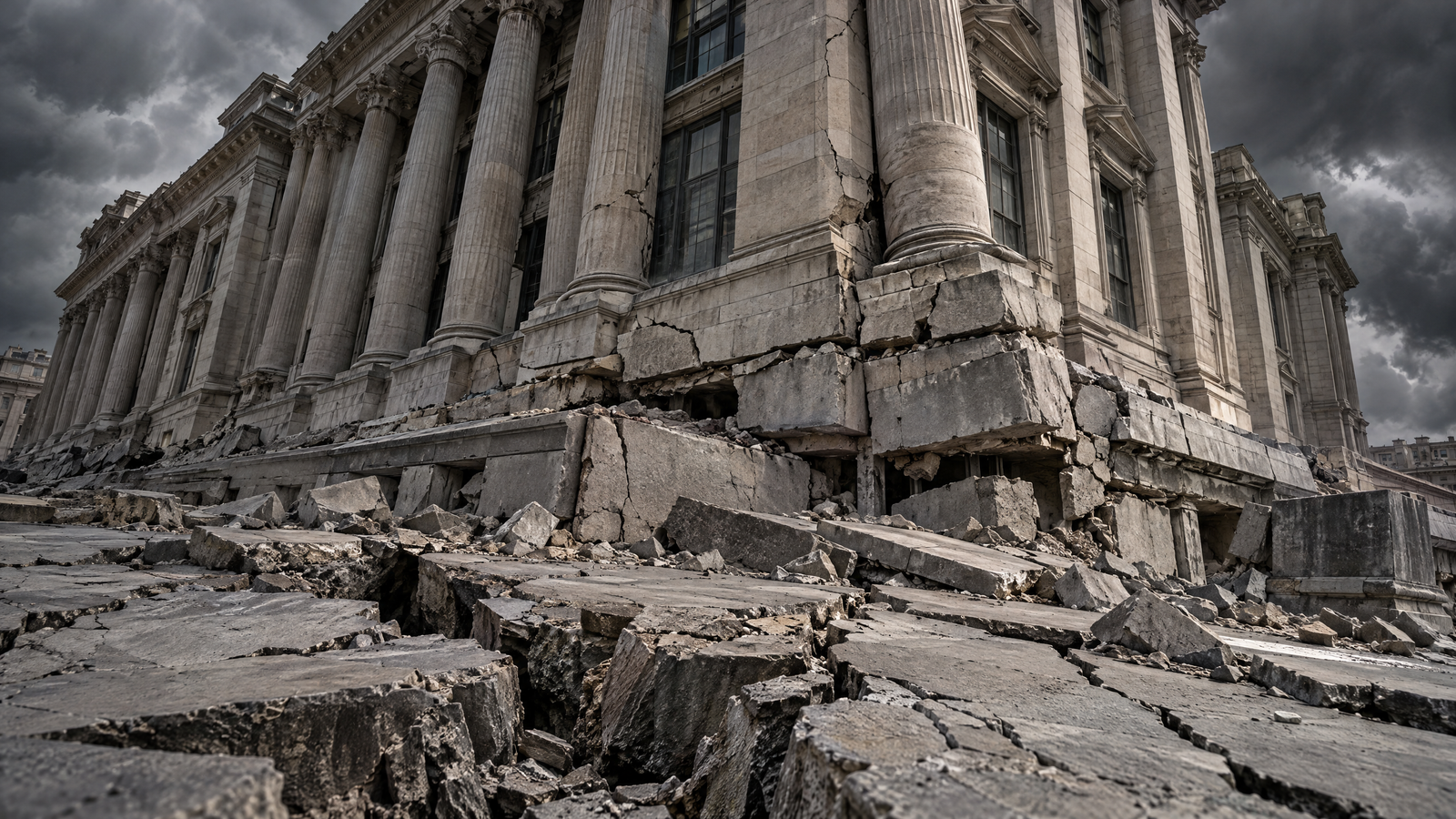
“Today we have largely abandoned the foundation while wondering why the walls are cracking.”
Then we act surprised when projects blow out, rates explode and common sense disappears.
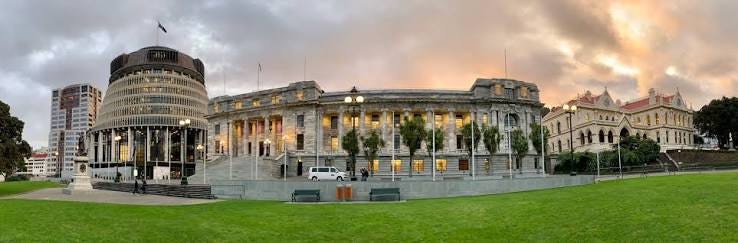
Wellington isn’t much better. Yet we routinely accept exactly the same thing from central government. People with no experience running hospitals shape health policy.
People who have never created jobs design economic policy.
People with little knowledge of an industry are handed responsibility for entire sectors.
Then we wonder why billions are spent and so little changes.
But here’s the uncomfortable truth.
New Zealand’s biggest problem isn’t competence.
It’s what our incompetence reveals.
We’ve become a nation obsessed with managing problems rather than solving them.
Every election revolves around money. More money for health, education, housing, welfare, infrastructure
Yet after decades of spending, the same social cancers remain.
Child abuse. Domestic violence. Family breakdown. Youth crime. Drug abuse. Loneliness. Division.
Government can write cheques. It cannot build character.
More importantly, it cannot provide purpose.
One word that was largely absent from this election campaign was aspiration.
Not how we survive the next three years.
How we build the next thirty.
What kind of country do we want our grandchildren to inherit?
One where families are stronger, communities safer, and neighbours still look out for one another?
Or one where government simply spends more money trying to manage the consequences of our failures?
Great nations are built on vision. They know where they are going and why they are going there.
Too much of modern politics is about managing decline rather than pursuing greatness.
We should be aspirational enough to believe New Zealand can once again be a country defined by strong families, safe communities, personal responsibility, opportunity, and a shared sense of purpose.
Which raises an even bigger question.
What changed?
Because New Zealand wasn’t always like this.
We once had less wealth, fewer government departments and far fewer bureaucrats, yet somehow, we managed to build strong communities, strong families and a country people wanted to come to rather than leave.
No, it wasn’t perfect. But there was something that held us together.
A shared understanding of right and wrong. Personal responsibility. Service before self. Commitment to family. Care for neighbours. In short, the values that emerged from our Christian heritage.
For generations New Zealand didn’t merely believe in God, it built its institutions, laws and society on principles shaped by that belief.
Today we have largely abandoned the foundation while wondering why the walls are cracking.
We’ve pushed faith to the margins. Dismissed Christian values as outdated.
Mocked the very beliefs that helped shape one of the most successful nations on earth.
Then we seem genuinely surprised when social cohesion disappears.
Perhaps the next government will improve the economy.
I certainly hope so.
But if that’s all it does, it will have missed the bigger challenge.
A richer nation is not necessarily a better nation.
What New Zealand desperately needs is not simply better politicians or bigger budgets.
It needs something far rarer.
Wisdom. Vision. Moral courage.
And perhaps the greatest failure of all is that we’ve lost sight of the source of those things.
For generations New Zealand drew heavily from a Christian worldview that taught responsibility, accountability, service, honesty, integrity and stewardship.
Those weren’t simply church values. They were national values.
The further we’ve drifted from them, the more we’ve tried to replace character with bureaucracy and wisdom with management.
New Zealand doesn’t suffer from a shortage of money.
It suffers from a shortage of wisdom.
And wisdom has never been found in a government department, a Treasury forecast, or an election promise.
“The fear of the Lord is the beginning of wisdom.”
All these years of trying everything else suggests it might be time to reconsider the one place we stopped looking.