
We spend much of our lives battling the problems inherited from yesterday while giving little thought to the future promised for tomorrow. As AI and technology transform the world around us, Genesis and Revelation offer a perspective on humanity’s destination that Hollywood never saw coming.
Editorial: Mike Bain
As a grandparent, I sometimes find myself wondering what kind of New Zealand my grandchildren will inherit.
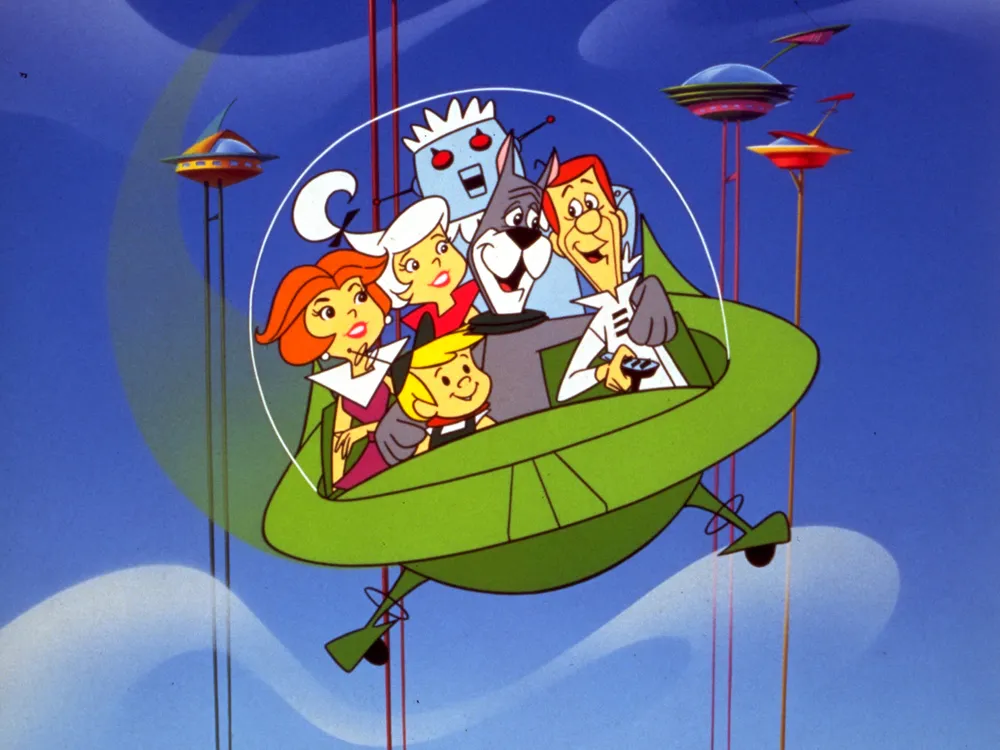
My parents could never have imagined many of the things we now take for granted. Unless they happened to be watching The Jetsons, the idea of carrying a device that could answer questions in seconds, make phone calls around the world, navigate a journey, and perform tasks once done by trained professionals would have sounded absurd.
Today we speak to artificial intelligence.
Tomorrow, nobody knows.
That uncertainty raises an important question.
What will New Zealand look like when today’s grandchildren become tomorrow’s leaders?
Will they inherit a nation strengthened by technology, wisdom and faith?
Or will they inherit a society increasingly disconnected from the values that helped shape it?
Hollywood has spent decades offering its own answer. From The Terminator to The Matrix and Transformers, the future is often portrayed as a place where humanity loses control of its own creations.
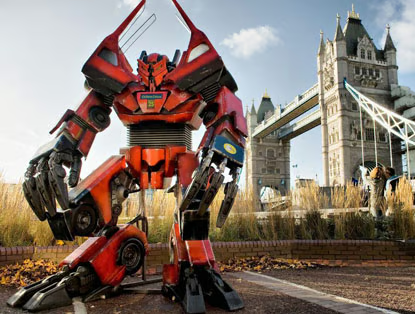
Looking at the rapid rise of artificial intelligence, many wonder whether those stories are becoming less fictional by the day.
But perhaps Christians should be asking a different question.
Not what Hollywood predicts.
But what God has promised.
The Bible begins in Genesis and ends in Revelation. Those two books frame the entire human story.
Genesis reveals mankind created in the image of God, entrusted with stewardship and responsibility. Human life has value not because of what we can produce, earn or invent but because we were created by God Himself.
That truth matters more than ever in a culture increasingly tempted to measure worth through productivity, performance and technology.
Yet Genesis also reveals humanity’s greatest problem. We chose independence from God, and every generation since has lived with the consequences.
Perhaps that is one reason so many New Zealanders feel uneasy about the future.
We see rising loneliness despite being more connected than ever. We see growing wealth alongside growing hardship. We see unprecedented technological advancement while many struggle to find meaning, purpose and hope.
We spend enormous amounts of time debating politics, economics, housing, healthcare and the cost of living. These are important issues.
But they are not the biggest issue.
The bigger question is where our nation, and humanity itself, is heading.
Hollywood’s answer is often bleak because it assumes mankind is ultimately on its own.
The biblical story is dramatically different.
Scripture does not begin with catastrophe and end with catastrophe.
It begins with purpose, passes through failure, and ends with redemption.
The final chapters of Revelation point to a future far beyond any technological achievement. Heaven comes down. God dwells with His people. Death, sorrow and pain are removed. Creation itself is renewed.
The story ends not with humanity being saved by innovation, but with humanity being restored by God.
This is not an argument against technology.
Artificial intelligence is a tool. Like electricity, the internet and countless inventions before it, it can be used for good or for harm.
The issue is not whether machines become smarter.
The issue is whether people become wiser.
No algorithm can produce righteousness.
No machine can create forgiveness.
No technology can fill the spiritual emptiness that only God can satisfy.
As I watch my grandchildren grow up in a rapidly changing New Zealand, I cannot predict what careers they will pursue or what technologies they will take for granted.
But I know this.
Their greatest hope will never be found in artificial intelligence, government policy, economic growth or scientific advancement.
Their greatest hope will be found in Jesus Christ.
Hollywood tells us the future belongs to the machine.
Politicians tell us the future belongs to those who gain power.
Economists tell us the future belongs to those who create wealth.
Technologists tell us the future belongs to those who innovate.
But Genesis and Revelation tell a different story.
They tell us the future belongs to the Creator.
The question facing New Zealand is not whether artificial intelligence will reshape society. It almost certainly will.
The real question is whether we will recognise the God who ultimately holds the future in His hands.
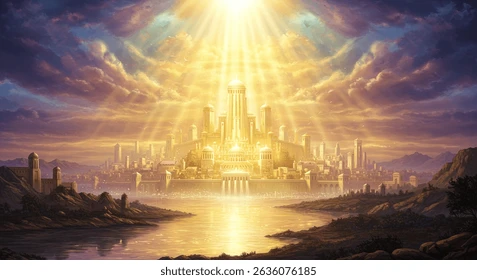
Because if Revelation is right, history is not moving towards the triumph of the machine.
It is moving towards the arrival of a King.
For some, that day will appear apocalyptic.
For others, it will be the fulfilment of a promise spoken at the dawn of creation.
A promise that begins in Genesis.
A promise that culminates with heaven coming down.
And a promise that reminds us that neither New Zealand nor humanity’s future will ultimately be determined by what we create, but by the Creator who made us in the first place.
For Christians, that is not merely a hope for the future.
It is the certainty upon which we build our lives today.