
Last week, the anniversary of an event that changed the course of history passed largely unnoticed.
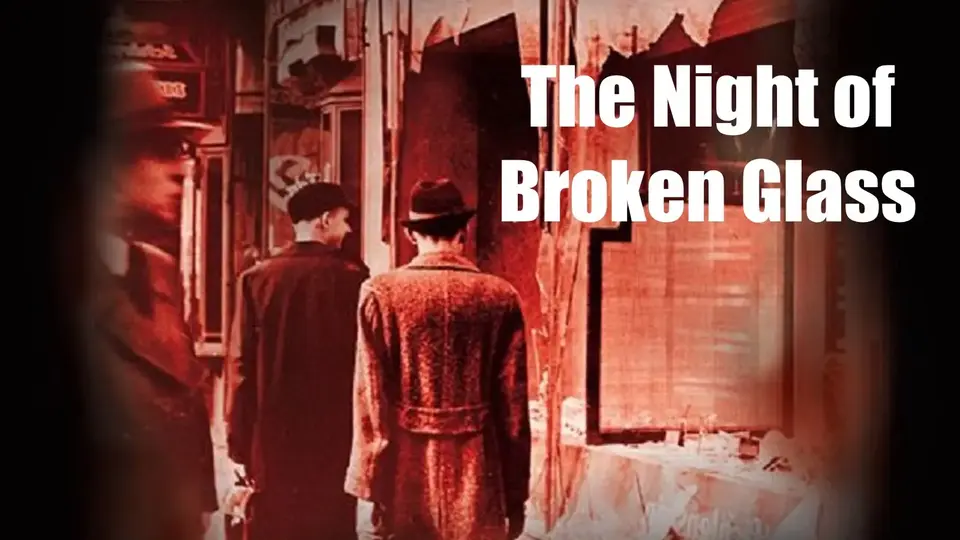
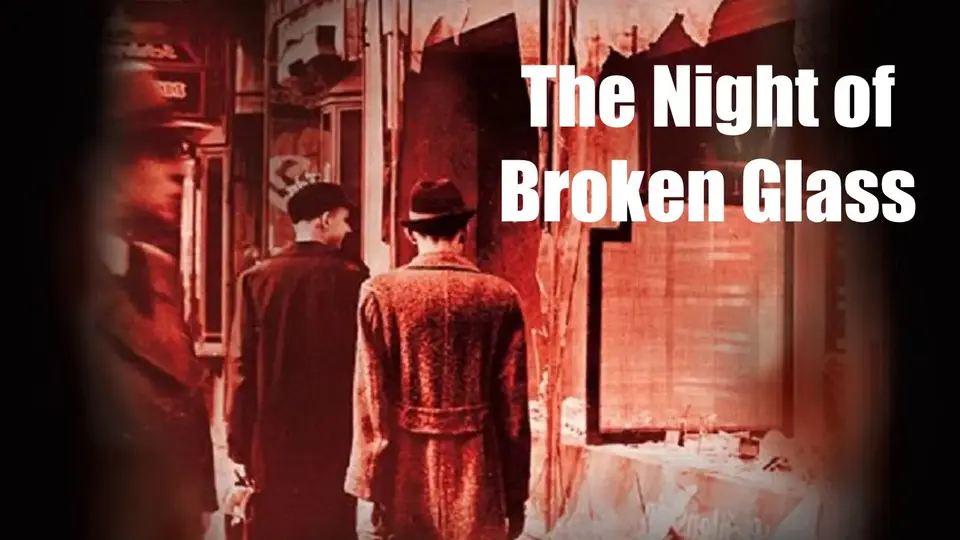
On the night of November 9-10, 1938, Nazi Germany unleashed what became known as Kristallnacht, the Night of Broken Glass.
Across Germany and Austria, Jewish homes were vandalised, businesses destroyed and synagogues burned. Thousands of Jews were arrested and sent to concentration camps.
Today, Kristallnacht is often remembered as a chapter of the Holocaust. But that description risks missing its real significance.
Kristallnacht was not the Holocaust. It was the warning.
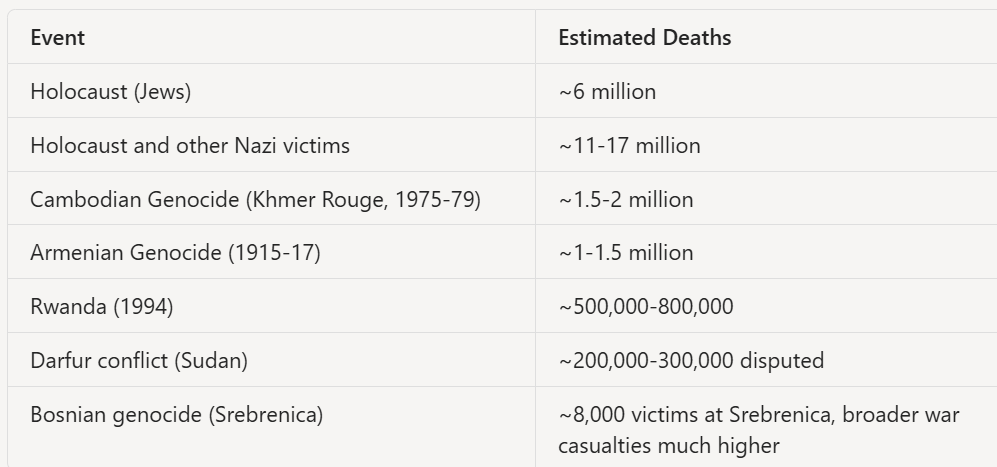
The death camps had not yet come. The industrial extermination of six million Jews had not yet begun. The world had not yet heard of Auschwitz, Treblinka or Bergen-Belsen.
Yet something profound had changed.
Hatred that had previously been expressed through rhetoric, discrimination and exclusion had moved into the streets.
A crowd had become a mob.
A government had discovered how far it could go.
And a society had shown how much it was prepared to tolerate.
Looking back, the warning signs seem obvious.
At the time, many people convinced themselves that things would go no further.
History tells us they were wrong.
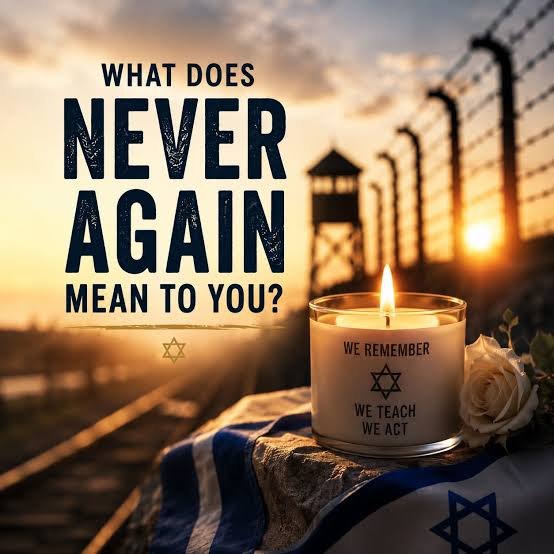
After the war, Holocaust survivors adopted the phrase “Never Again”. It became both a memorial and a warning. Alongside it came another phrase: “Lest We Forget.”
One looked forward.
The other looked back.
Together they carried a simple message: remember what happened and make sure it never happens again.
Yet the decades that followed tell a sobering story.
The promise of “Never Again” did not prevent Cambodia, nor Rwanda, not Bosnia or even Dafur.
Every generation repeats the promise. Every generation likes to believe it has learned the lessons of history. Every generation seems shocked to discover that hatred has simply returned under a different banner.
New Zealand likes to believe it is different.
We as an island nation at the bottom of the Pacific have no hostile neighbours. No rockets threatening our cities. No armies massing at our borders.
We tell ourselves that the tribal hatreds that consume other societies could never take root here.
But can we be so certain?
The lesson of Kristallnacht was never simply about Jews.
It was about human nature.
It was about what happens when prejudice becomes respectable, when minorities become convenient targets and when the majority begins to see the rights of others as negotiable.
No, New Zealand is not Nazi Germany.
But neither are we immune from the same human weaknesses that have driven societies throughout history to turn on one another.
Over the last few years we have seen growing hostility toward people on the basis of ethnicity, nationality, religion and political identity. We have watched overseas conflicts imported onto our streets and into our communities.
In particular, Jewish New Zealanders have reported increasing levels of intimidation, hostility and abuse.
Why a conflict taking place on the other side of the world can become justification in this country for the targeting of people who have no control over decisions made by any government.
That should concern every New Zealander.
Israel deserves scrutiny.
Every nation does.
But scrutiny is not the same as hostility.
The International Holocaust Remembrance Alliance definition of antisemitism makes a clear distinction between criticism of Israel and prejudice against Jewish people. Criticising the actions of a government is legitimate. Holding all Jewish people responsible for those actions is not.
Yet that distinction appears increasingly blurred.
One of the most controversial examples has been the slogan, “From the River to the Sea.”
Those who use it often insist it is a call for Palestinian freedom and self-determination.
Many who chant it sincerely believe exactly that.
Yet many Jews hear something entirely different.
They hear a slogan that appears to deny the continued existence of the world’s only Jewish state.
Whether that interpretation is accepted or rejected is not really the point.
The point is that words matter.
History teaches that slogans matter.
Political leaders have a responsibility to consider not only what they intend by their words, but how those words are heard by the communities to whom they are directed.
When elected representatives as the Green party members have done at pro Palestinian rallys over the last summer joined chants that many Jewish people regard as threatening, they should not be surprised when concerns about antisemitism follow.
The issue is larger than a single slogan.
It raises questions about selective outrage.
If human rights are universal, why do some conflicts generate endless demonstrations while others barely attract notice?
Where are the crowds protesting the slaughter in Sudan?
Where is the sustained public outrage over the persecution and murder of Christians in parts of Africa?
Where are the weekly demonstrations over the violence and displacement affecting millions in the Democratic Republic of Congo?
Human suffering should matter regardless of the identity of the victims.
Yet public concern appears remarkably selective.
Some causes become moral crusades.
Others are quietly ignored.
That inconsistency does not automatically prove antisemitism.
But it does raise uncomfortable questions.
Why are some victims deemed more worthy of sympathy than others?
Why are some conflicts elevated to defining moral issues while others scarcely register in public consciousness?
And why does criticism of Israel so often spill over into hostility toward Jewish people who bear no responsibility for decisions made in Jerusalem?
History repeatedly demonstrates how quickly societies can move from disagreement to demonisation.
The crowds cheering on injustice rarely see themselves as participants in it.
The people smashing Jewish shop windows during Kristallnacht did not believe they were writing the opening chapter of history’s greatest atrocity.
Most believed they were simply participating in the mood of the moment.
“How far does a society have to travel down the road of intolerance before it becomes dangerous?”
Kristallnacht matters because it sits at that exact point in history.
That is what makes Kristallnacht so important.
Not because history repeats itself exactly.
It does not.
Not because New Zealand is destined to follow the same path.
It is not.
But because every society believes it is too civilised, too enlightened and too tolerant to make similar mistakes.
The real danger is not recognising those mistakes until it is too late.
Today the targets may be Jews.
Tomorrow they may be Christians.
The day after that they may be another minority altogether.
The issue is not which group is currently unpopular.
The issue is whether society still believes minorities deserve protection when they become unpopular.
History’s greatest tragedies seldom begin with death camps.
They begin when ordinary people stop defending the rights of people they disagree with.
The world promised “Never Again.”
But when “That will never happen again” happens again, where do people run?