
Mike Bain
Brothers and sisters,
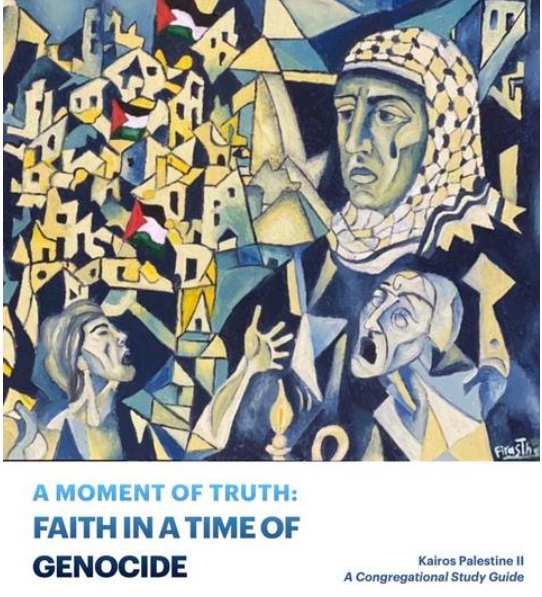
A new document called Kairos II is now circulating internationally, and some churches — including Presbyterian, Methodist, and Anglican communities overseas — have begun to adopt its ideas. It is important that we recognise what it is and remain alert to the false teaching it carries.
Kairos II presents a politicised reinterpretation of Scripture, built on Palestinian Liberation Theology. It dismisses the Old Testament’s authority, undermines God’s covenant with Israel, and openly condemns Christian Zionists as morally corrupt. It uses language that mirrors activist rhetoric rather than biblical theology, and it offers no renunciation of terrorism, no acknowledgement of Jewish suffering, and no respect for God’s promises to Israel.
This is precisely the kind of teaching Scripture warns us about.
Paul cautioned Timothy that “in later times some will abandon the faith and follow deceiving spirits and teachings of demons” (1 Tim. 4:1). He warned that people would gather teachers who tell them what they want to hear rather than what God has spoken (2 Tim. 4:3–4). He urged the church to reject myths, distortions, and anything that distracts from sound doctrine (1 Tim. 1:3–7).
Kairos II fits this pattern. It reframes the biblical narrative to serve a political agenda, and it encourages churches to do the same.
For that reason, we must be watchful, discerning, and anchored in Scripture. We must test every teaching, hold fast to the unity of God’s Word, and guard our congregations from ideas that contradict the gospel or deny God’s covenant faithfulness.
I am not aware of Kairos II gaining traction in New Zealand yet — but its spread overseas shows how quickly such ideas can enter churches that are not alert. If you see it appearing in study groups, social media, or church discussions, it should be addressed promptly and biblically.
False teaching rarely arrives with a warning label. It arrives sounding compassionate, justice‑oriented, and “fresh.” But when it contradicts Scripture, it must be named for what it is.
Let us stay vigilant, grounded, and faithful.