
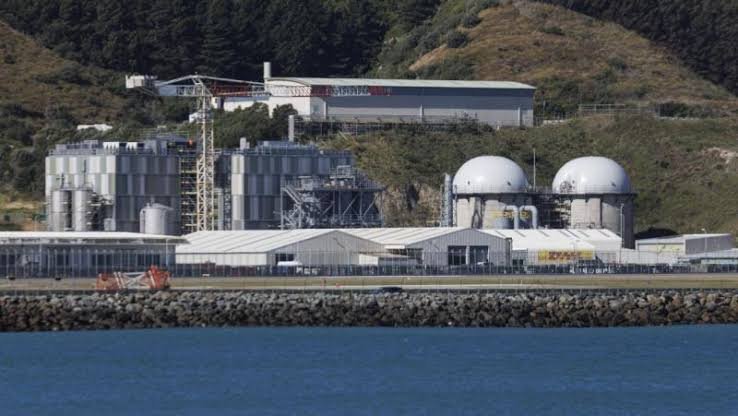
There is a foul smell hanging over Wellington.
No, I’m not talking about the sewage. I’m talking about the stench of responsibility abandoned.
The latest chapter in the Moa Point wastewater debacle has once again left ratepayers reaching for their wallets. They paid for the scheme. They are paying for the failures. They will pay for the clean-up. They will pay for the lawyers. They will pay for the investigations.
They always pay.
And yet the one thing nobody seems willing to pay is the price of accountability.
That raises a question every New Zealander should be asking:
How many times do ordinary citizens have to pay for somebody else’s mistakes before someone actually accepts responsibility?
Because Moa Point is not really a story about wastewater. It is a story about a nation increasingly comfortable with failure and increasingly allergic to accountability.
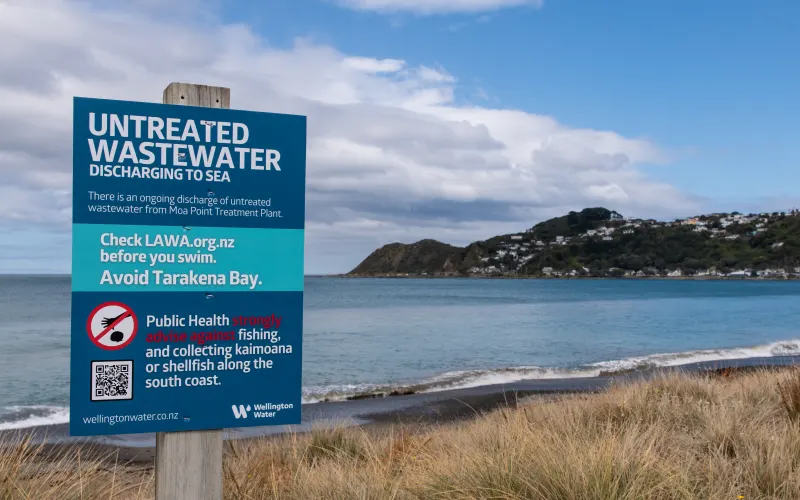
When things go wrong in modern New Zealand there is an almost predictable script.
The engineer blames the contractor who then blames the designer who blames the specifications.
The regulator blames the process, the council blames historical underfunding, the politicians blame the previous administration.
Everyone has an explanation. Nobody has ownership.
Responsibility enters the room an adult and leaves an orphan.
Sadly, it’s not new we’ve seen it many times before.
Leaky homes, water infrastructure failures, the CTV Building, Pike River.
Projects that run millions over budget. Systems that fail despite layer upon layer of oversight.
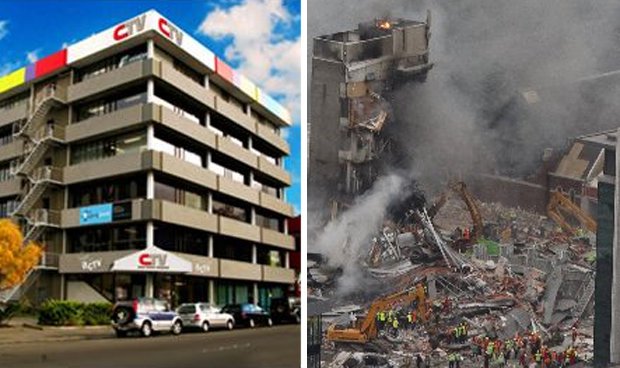
Reports, inquiries, reviews, recommendations, lessons supposedly learned.
Yet somehow the same disasters keep turning up wearing different clothes.
The common denominator is always the same.
Failure has many witnesses but no parents.
At some point we need to stop pretending this is merely an engineering problem, a regulatory problem, a political problem or a funding problem.
It is a human problem. In fact it is one of humanity’s oldest problems.
The first accountability hearing in history took place in the Garden of Eden.
God asked Adam what happened. Adam blamed Eve. Eve blamed the serpent. Nobody simply stood up and simply said: “It was me, I did it.”
Thousands of years later we’ve upgraded the technology but not the character.
We’ve built skyscrapers, governments, councils, corporations, courts and bureaucracies.
We’ve mastered machinery, but We’ve not mastered ourselves.
The instinct remains exactly the same. We dodge, deflect, divert, deny, find somebody else, find another department, another consultant, excuse, or maybe find another fig leaf.
And before someone writes an angry letter, let me be clear.
The fault is not God’s.
Responsibility was part of the original design. God didn’t create a defective humanity incapable of accountability. Humanity chose the easier path.
The flaw wasn’t in creation.
The flaw entered when mankind decided owning mistakes was more painful than explaining them away.
That choice has echoed through every generation since. Today we don’t merely avoid responsibility -we industrialise the process.
We create committees to examine why nobody accepted responsibility and establish inquiries to discover why previous inquiries failed.
We spend millions identifying failures while carefully avoiding identifying those responsible for them.
It is an absolutely astonishing achievement.
We have become experts at investigating accountability while ensuring none actually occurs.
Even our language gives us away, “systemic failure,” “process breakdown,” “communication issues,” “unintended consequences.”
Interesting phrases, all of them.
You know what is missing from every one of them?
A person. A decision. A name. A consequence.
Because once responsibility becomes collective it becomes invisible.
And once it becomes invisible it becomes politically convenient.
The courts will eventually determine whether Wellington City Council and Tiaki Wai breached their obligations.

That matters.
But it is not the most important question.
The most important question is whether New Zealand still possesses the moral courage to hold people accountable when things go wrong.
Not symbolic accountability. Not public relations accountability. Not performative accountability.
But real accountability. The kind that says this happened. This person made the decision.
These were the consequences.
This is what follows. Simple. Honest. Necessary.
Because a nation that loses its appetite for accountability eventually loses its ability to govern itself.
When failure carries no consequences, failure multiplies.
When blame belongs to everyone, responsibility belongs to no one.
When accountability dies, incompetence thrives.
And when a society reaches the point where nobody is responsible for anything, it is only a matter of time before everything falls apart.
Not because God abandoned the nation.
But because the nation abandoned responsibility.
And no wastewater plant, government department, inquiry, bureaucracy, consultant, council chamber or courtroom can ever fix a civilisation that no longer has the courage to look in the mirror and say the three words that built every functioning society in history:
“It’s my fault.”
Until we recover that courage, the sewage overflowing from Moa Point may be the least offensive thing polluting New Zealand.